Bolpur, Santiniketan

Santiniketan

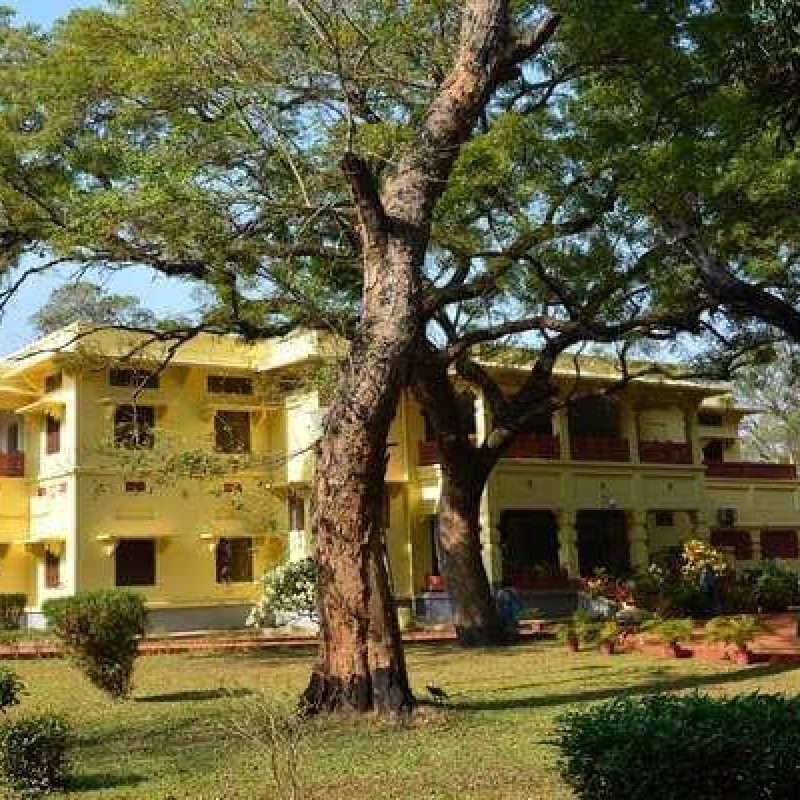
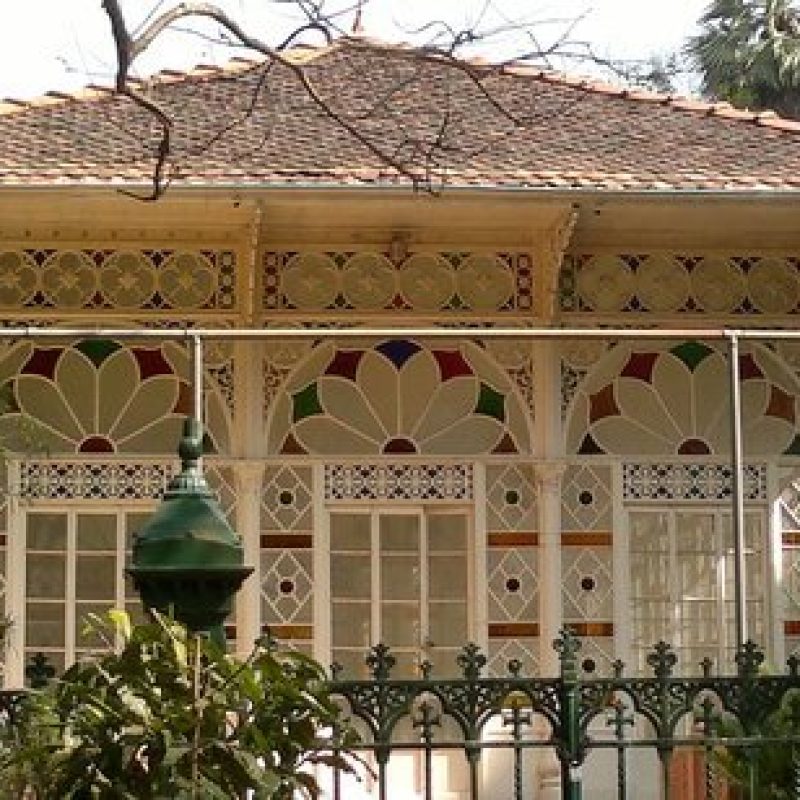
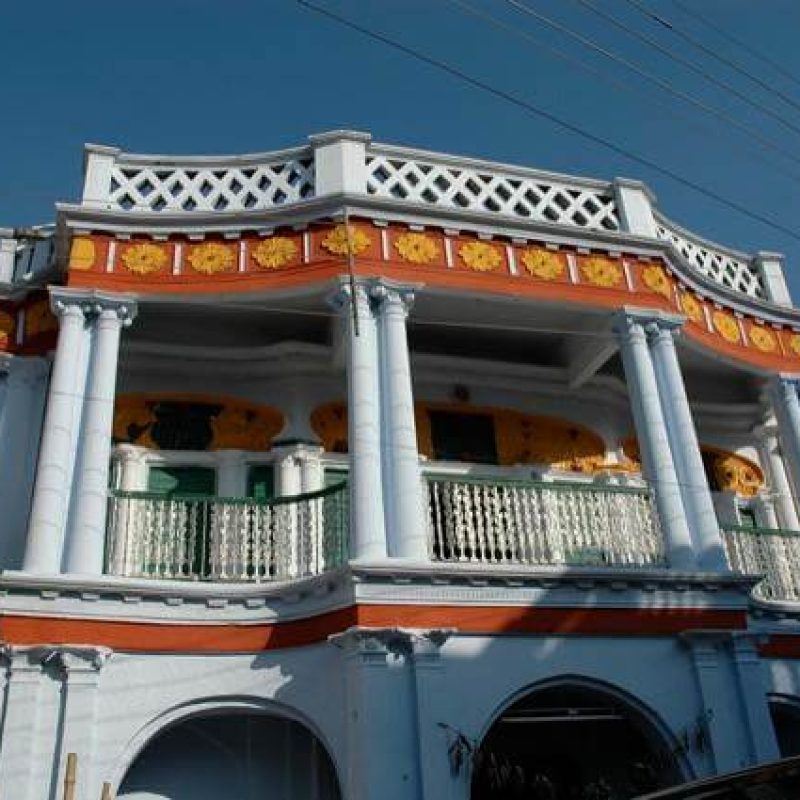
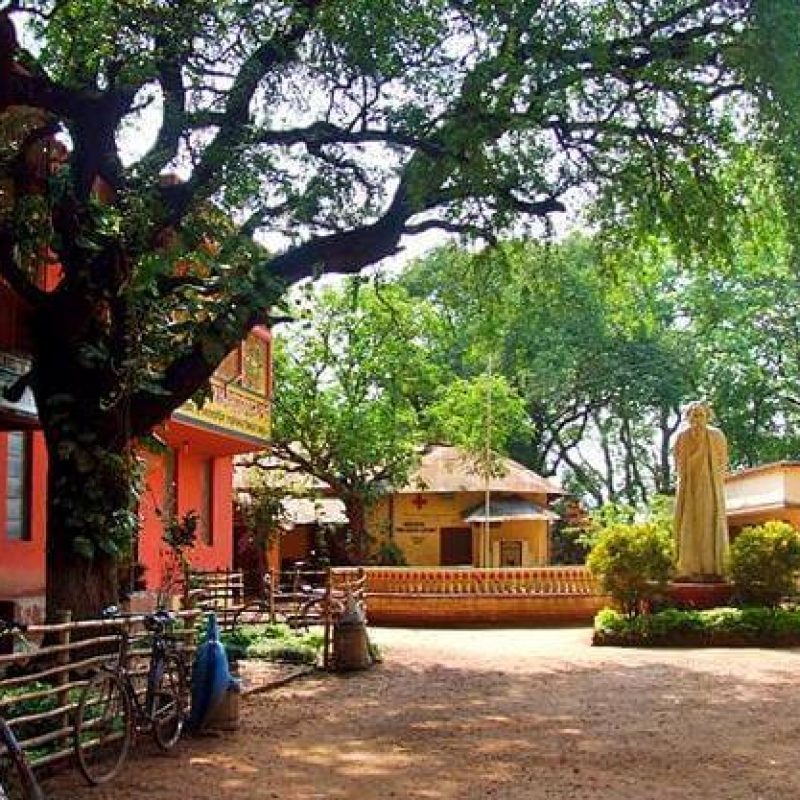
Santiniketan is a small town near Bolpur in the Birbhum district of West Bengal and about 200 kms Kolkata . It was made famous by Nobel Laureate Rabindranath Tagore, whose vision became what is now a university town – Visva-Bharati University. The place now attracts thousands of visitors each year. Santiniketan was earlier called Bhubandanga (named after Bhuban Dakat, a local dacoit), and was owned by the Tagore family.
In 1862, Maharshi Debendranath Tagore, the poet’s father, while on a boat journey to Raipur, came across a landscape with red soil and lush green paddy fields. He decided to plant more saplings and built a small house. He called his home Santiniketan, the abode of peace. He founded an Ashram here in 1863 and became the initiator of the Brahmo Samaj.
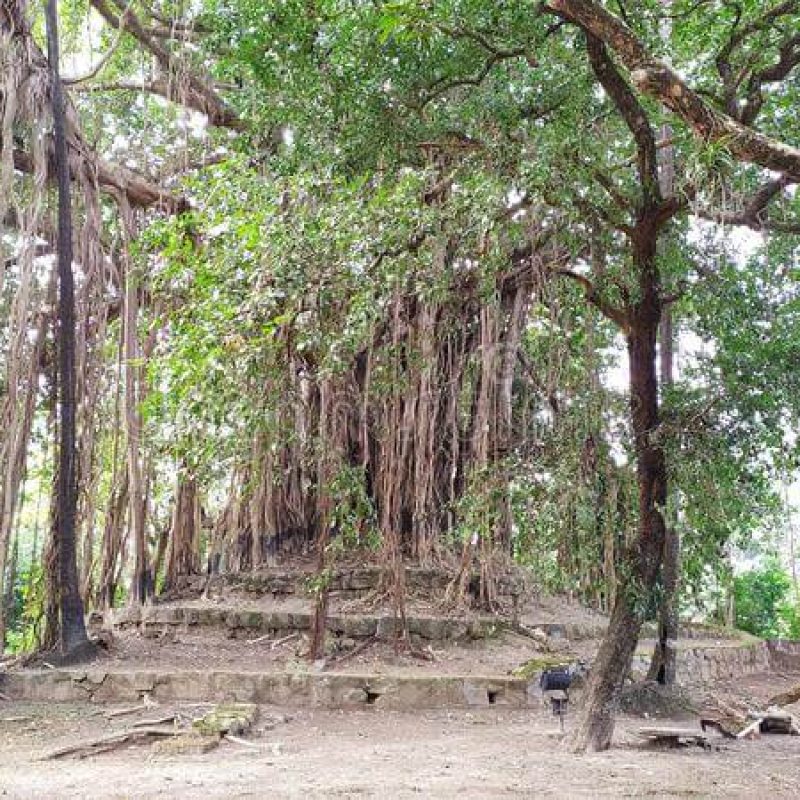
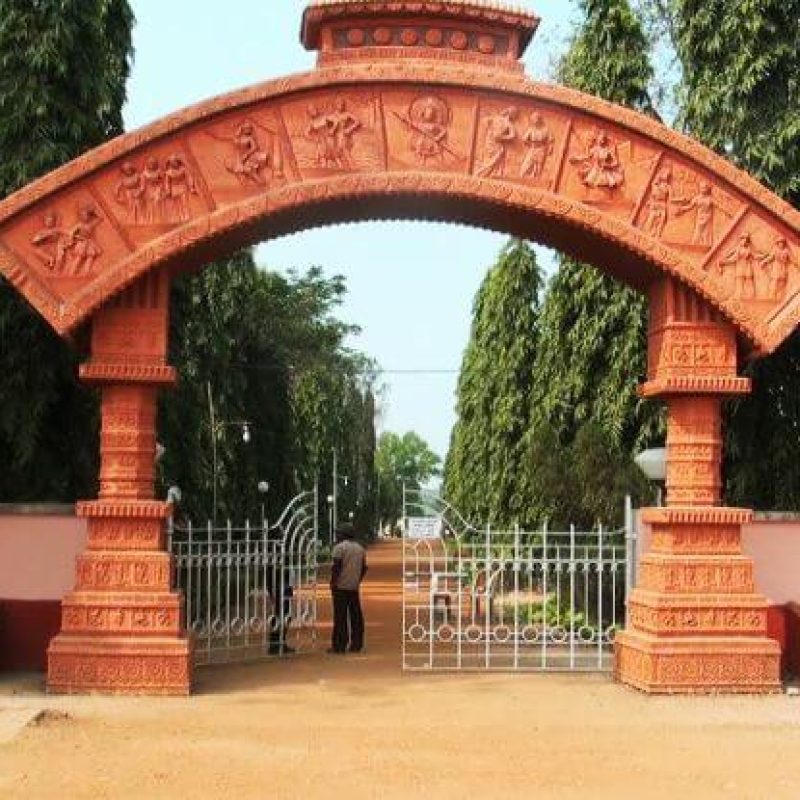
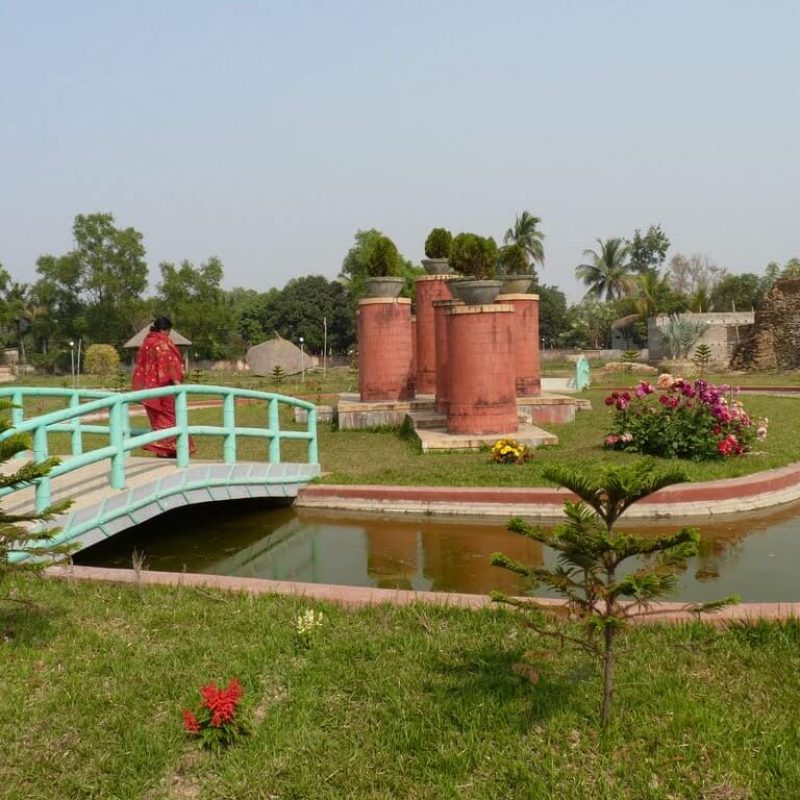
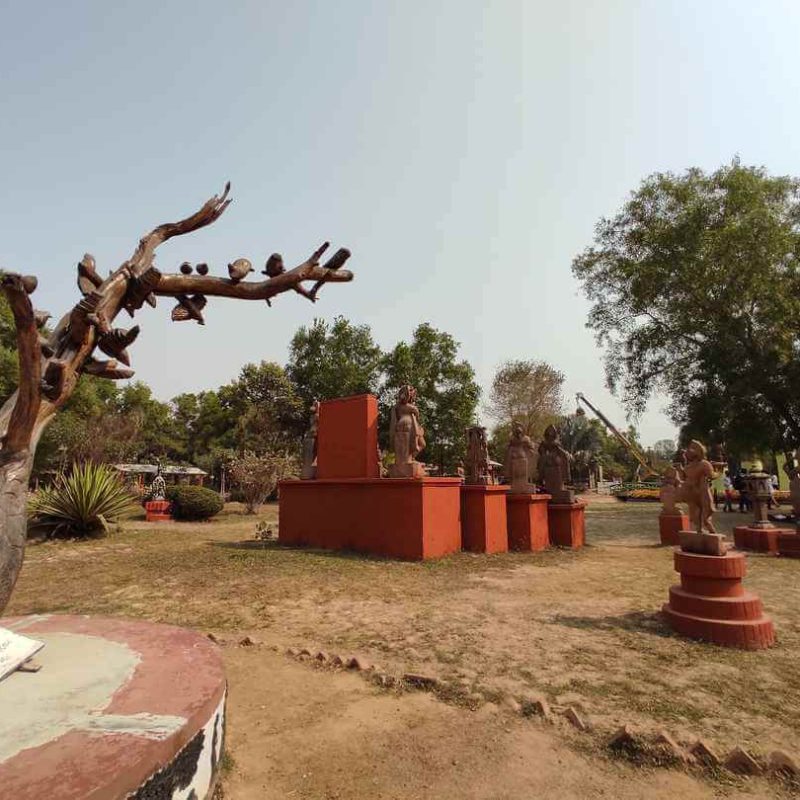
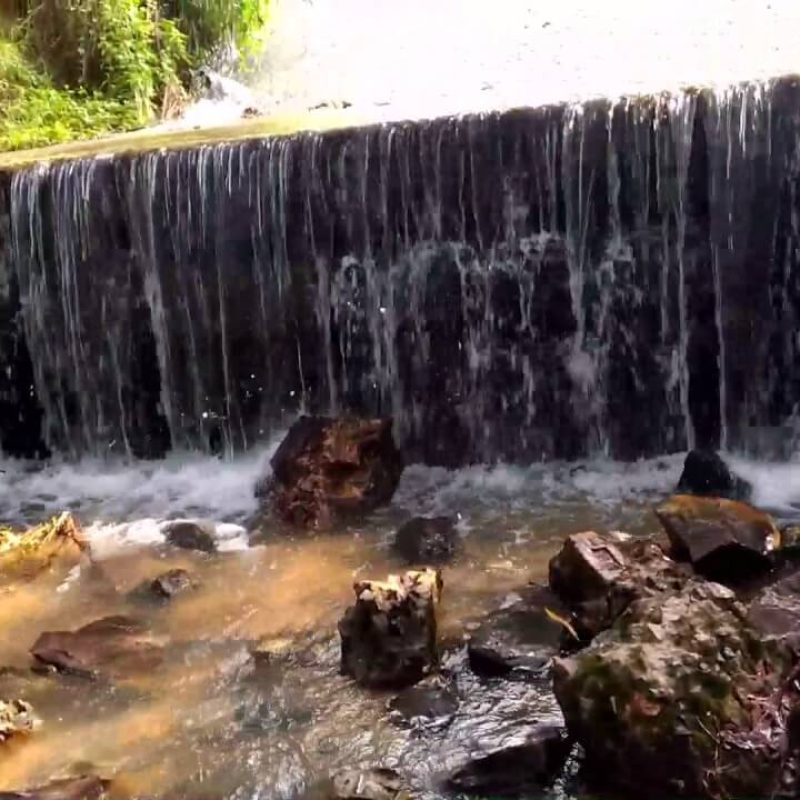
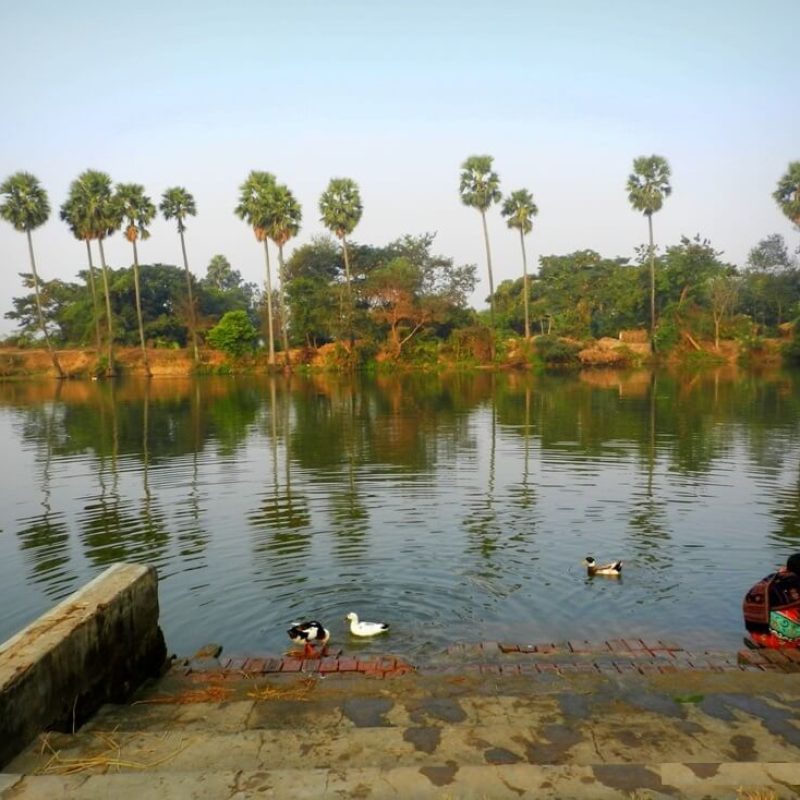
Rabindra Bhavan museum , Kala Bhavan, Chatimtala, Ashram, Glass Temple, Cheena Bhavana, ShilpoSadan, Ghonta tala, Santiniketan Bari, Hatipukur, Sangeeth Bhavana, Poush Mela, Basanto Utsab, Srijani Shilpagram, Ballavpur Deer Park, Amarkutir, Kopai River Scenic beauty, Ajoy River Scenic beauty, Sonajhuri Hath, Shiyor Bithi Park, Raipur Rajbari, Prakriti Bhavan .
Tarapith

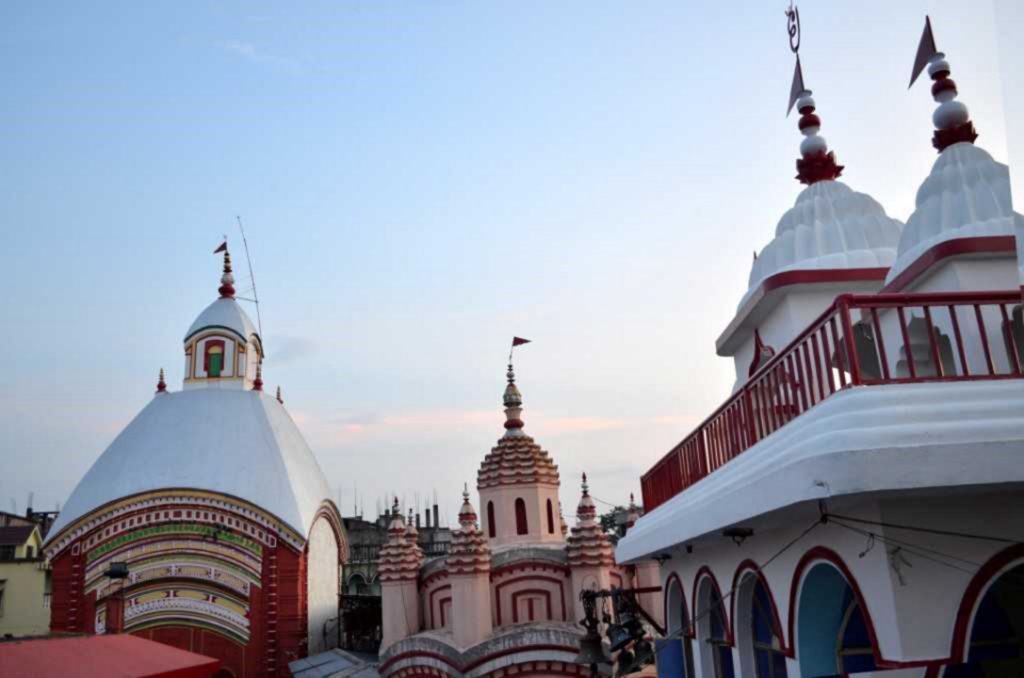
Tarapith, 80 km from Bolpur, is situated near the Dwaraka River in Birbhum, West Bengal. Close by to the Temple is the Bamdev Shangha Ashram. Enshrined at the Temple is a Murti of the Maa Tara, who according to local legend suckled the thirsty Shiva, and saved him from suffering.

The Murti is covered in a golden mask during the day, and during the night they remove this covering. She is described as holding two snakes in her hands, with Lord Shiva on her lap suckling.

Mama-Bhagne Pahar

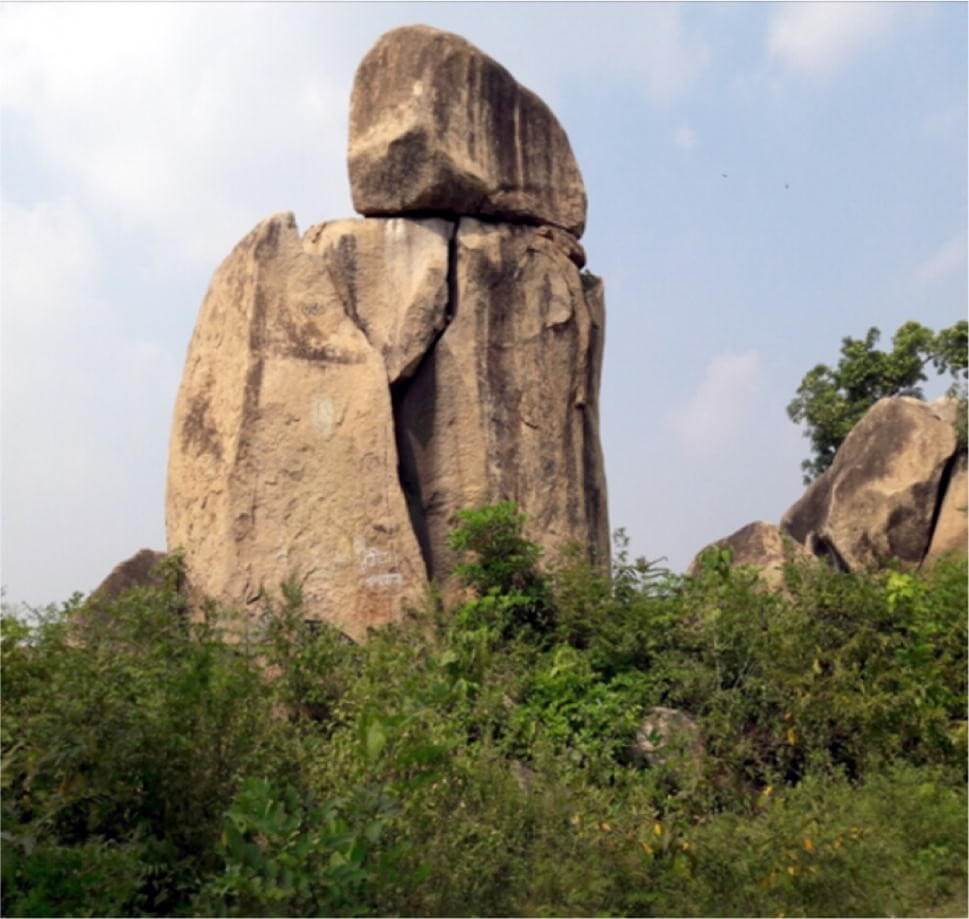
Mama-Bhagne Pahar is a rock formation near Dubrajpur town of district Birbhum. It is a pair of almost spherical natural boulders of granite rock, one balancing on the top of other. The balancing of the rocks are so surprising that it is a famous landmark in West Bengal, where it is known as Mama-Bhagne (the uncle and the nephew).
The site has a number of boulders splintered across the place. It is the extreme eastern part of the Chota Nagpur plateau where the granite is gray and composed of glassy quartz pink, gray feldspar and black mica at the base of the rocks is a temple of Shiva entitled Pahareswar.

Baul

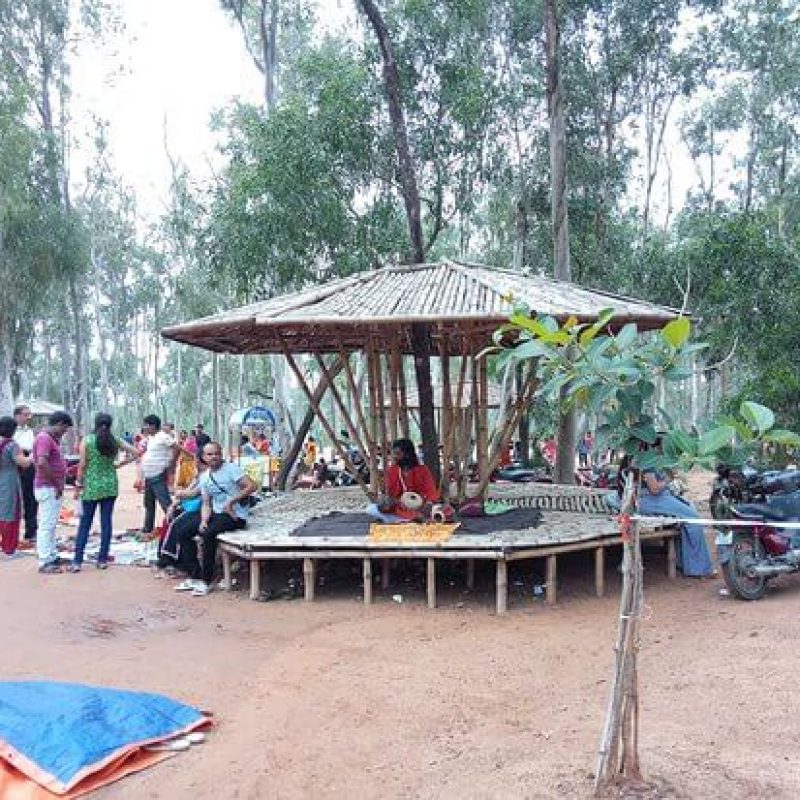
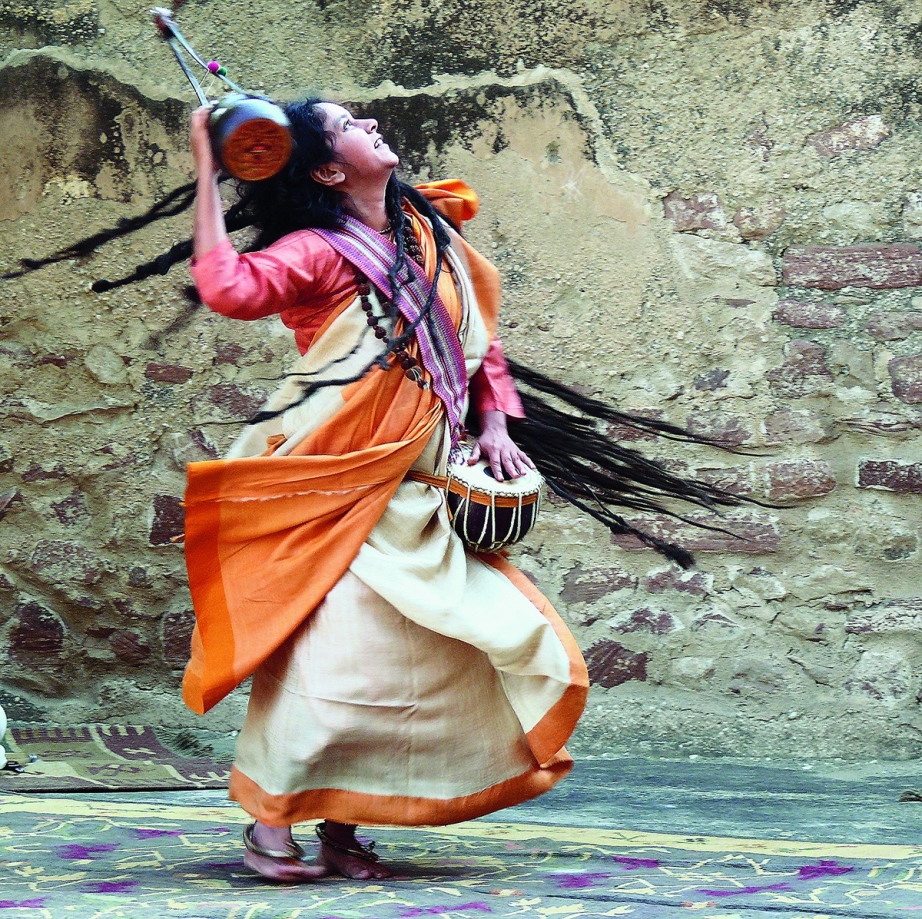
Bauls are a group of mystic minstrels from Bengal. The term Baul refers to both a syncretic religious sect and a musical tradition used as a vehicle to express Baul thought. Bauls are a very heterogeneous group, with many different streams to the sect, but their membership mainly consists of Vaishnavite Hindus and Sufi Muslims.

Visitors can be often identified by their distinctive clothes and musical instruments, such as the ektara. Though Bauls comprise only a small fraction of the Bengali population, their influence on the culture of Bengal is considerable. In 2005, the Baul tradition was included in the list of “Masterpieces of the Oral and Intangible Heritage of Humanity” by UNESCO.

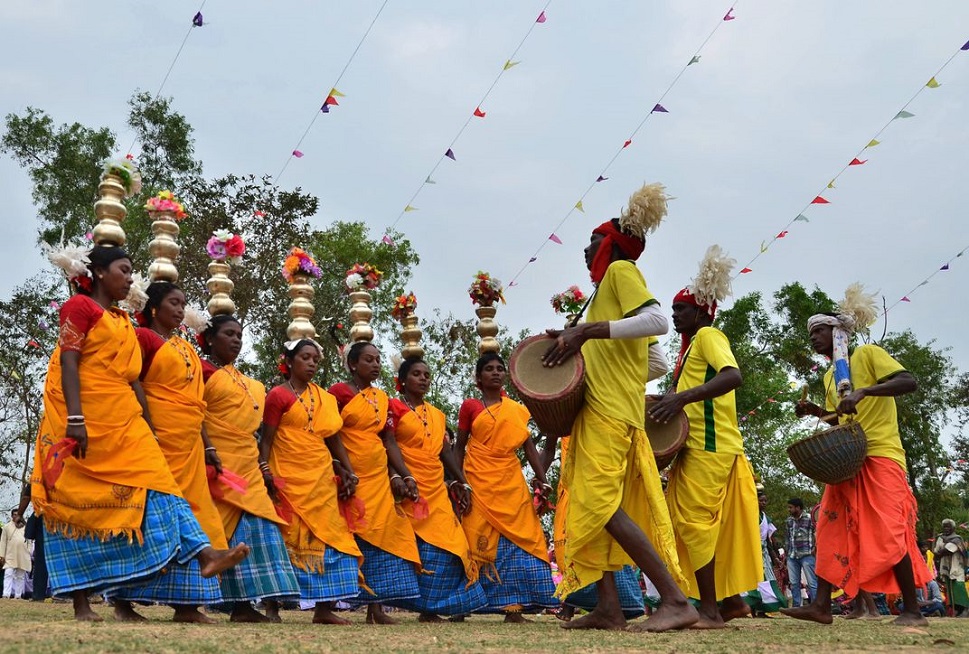
Tribal Dance

Birbhum District was inhabited by a number of people belonging to different sects, which makes the land as the blend of both indigenous and alien culture. The diverse culture of Birbhum from the prehistoric times and its rural society was the focus for the poets of Vaishnava and Shakta Padabali. However it was the folk culture, which gets prominence in the post-independence period. The folk culture or rather the native culture of Birbhum district was specially augmented by the contribution of the bauls, their philosophy and their music.

The Baulism culture emerged as a religiously liberal philosophy and lifestyle which conforms to the ideals of Sahajyan movement, a refined form of Vajrayan movement, also supplemented by the influence of Vaishnavism and Sufism. The bauls who earn their living by singing & collecting alms, accommodate people from all castes & creed. “Baul” is the true replica of the mixed culture of the land and the truly modern bauls upheld a broader yet liberal perspective of life and culture. Tagore was immensely influenced by the bauls and some of his works are endowed with the Baul philosophy.

Birbhum is the hub of Bengal’s folk culture. In addition to being a confluence of Vaishnav, Shakta and Shaiva culture, Birbhum villages also observes the worship of “Gramadevata” or God of the village popularly known as the “Dharma Thakur”, symbolized by a stone Tribals like bagdi, dome, hari, bauri worship “Dharma Thakur”. The folks of Birbhum are the clear representation of the spirit of rural Bengal.

Poush Mela

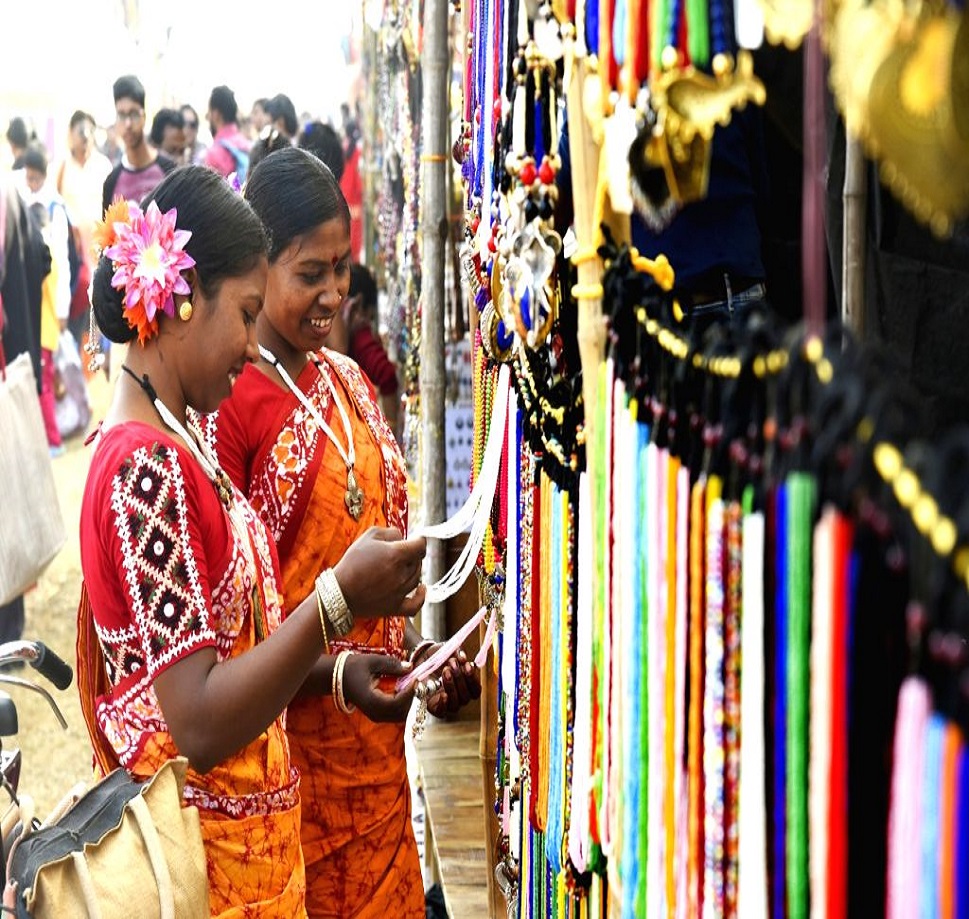
Poush Mela is the most remarkable annual fair here, held towards the end of December, marking the foundation day of Santiniketan. Holi or Vasant Utsav is a popular festival here, which is observed with colours and fervour. Other melas like Barsha Mangal and Halakarshan Utsav also attract tourists to Santiniketan.
Poush Mela is one of the main festivals in the district of Birbhum. Poush Mela is celebrated with great pomp and grandeur in Birbhum and its diversity spreads World Wide. The fair takes place for a week and in that week the place takes a different shape with people from different parts of the world. This fair is the place where different cultures mingle perfectly. On one side you can get the true spirit of Bengal in the form of local music and dance on the other hand people from different part of the country come and blend perfectly.

Visva Bharati

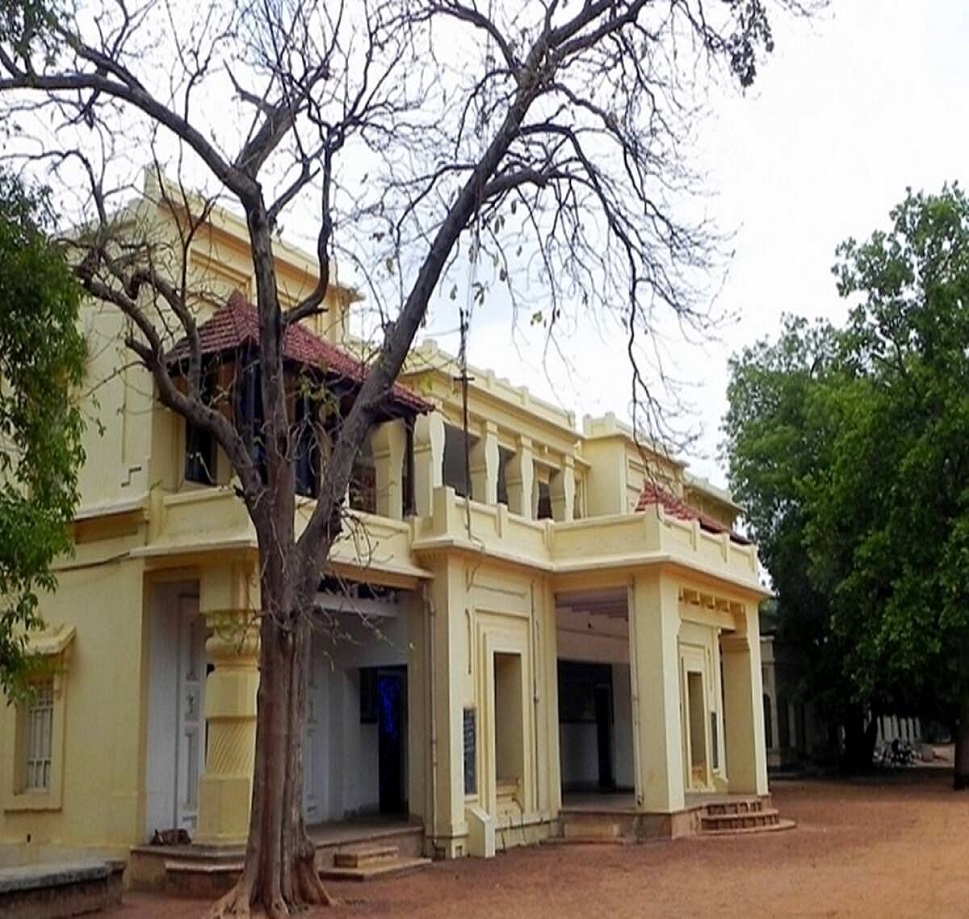
It was made famous by Nobel laureate Rabindranath Tagore, whose vision became what is now a University town – Visva-Bharati University. The place now attracts thousands of visitors each year. In 1901, Tagore started a school at Santiniketan named Bramhachari Ashram that was modeled on the lines of the ancient Gurukul system which later came to be known as the Patha Bhavan, the school of his ideals, whose central premise was that learning in a natural environment would be more enjoyable and fruitful.

Tagore envisioned a center of learning which would have the best of both the east and the west. After he received the Nobel Prize (1913), it enhanced not only the pride of India but also the prestige of Santiniketan. The school was expanded into a University. It was named Visva-Bharati.

Places to visit near Shantiniketan

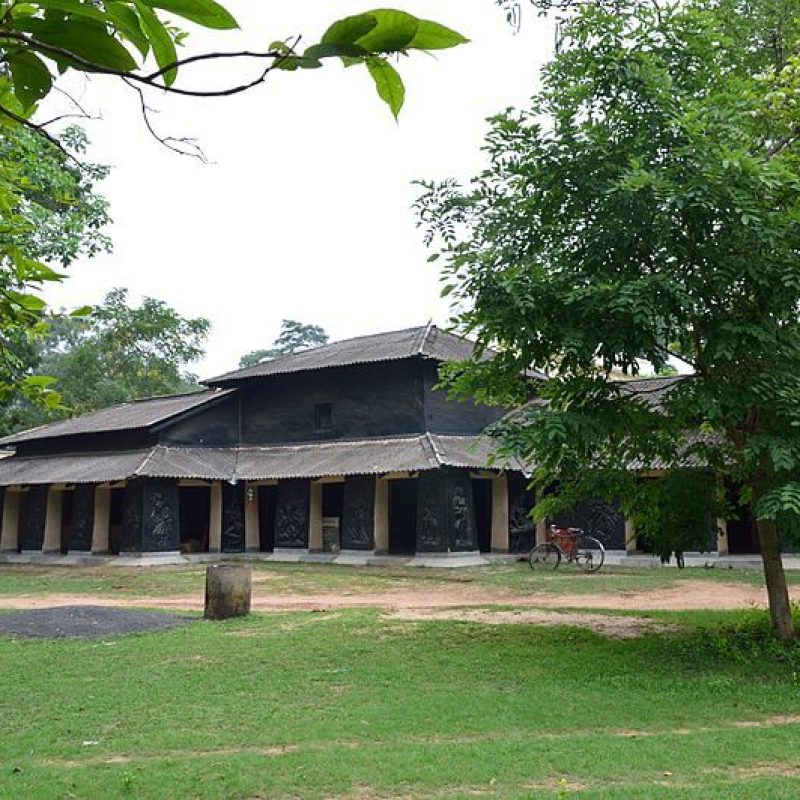
  • Visva Bharati Campus (Santiniketan,Sriniketan & Museum)
  • Sonajhuri Hath
  • Prakriti Bhavan
  • Konkali Tola
  • Amar Kuti
  • Shyor Bithi
  • Paus Mela
  • Basanto Utsab
  • Tribal Dance
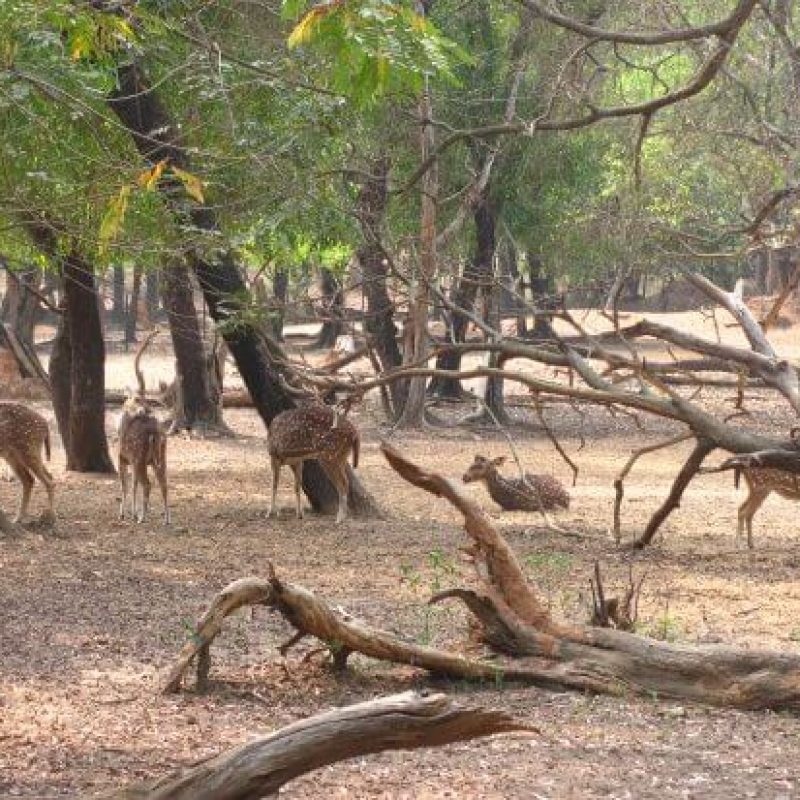
  • Deer Park
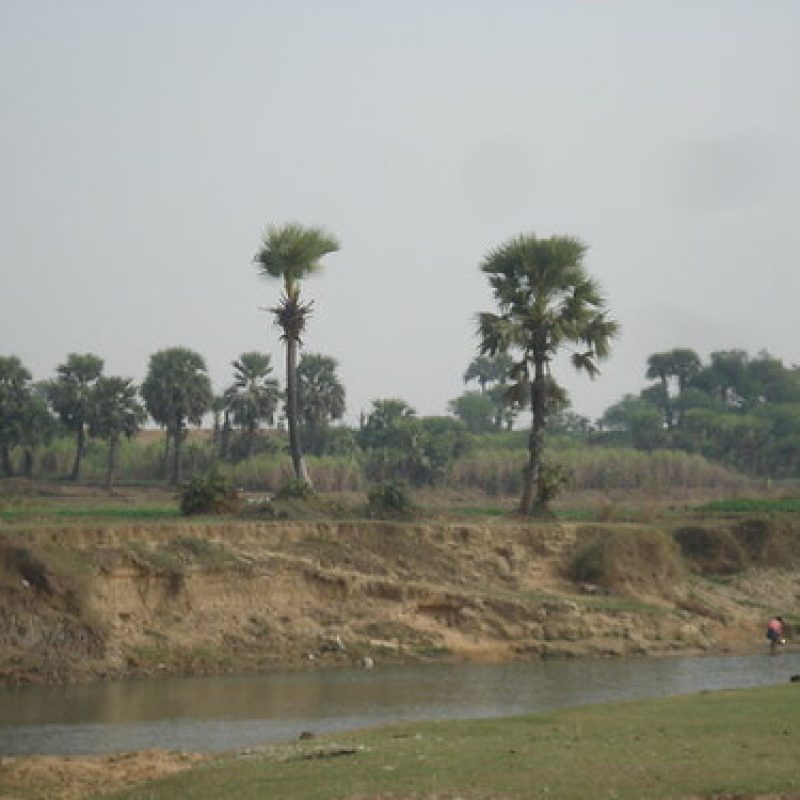
  • Kopai River
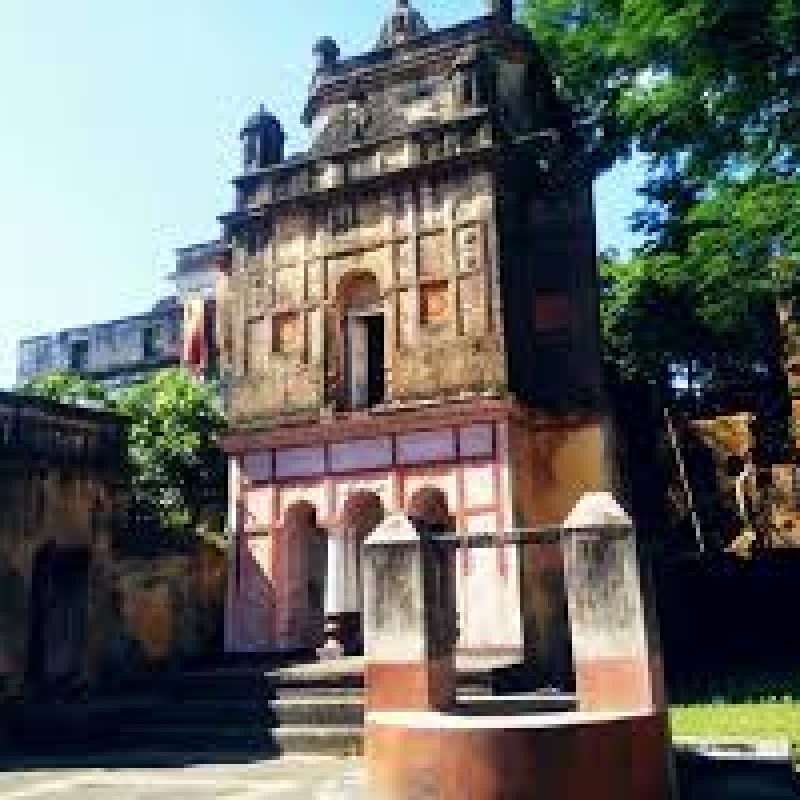
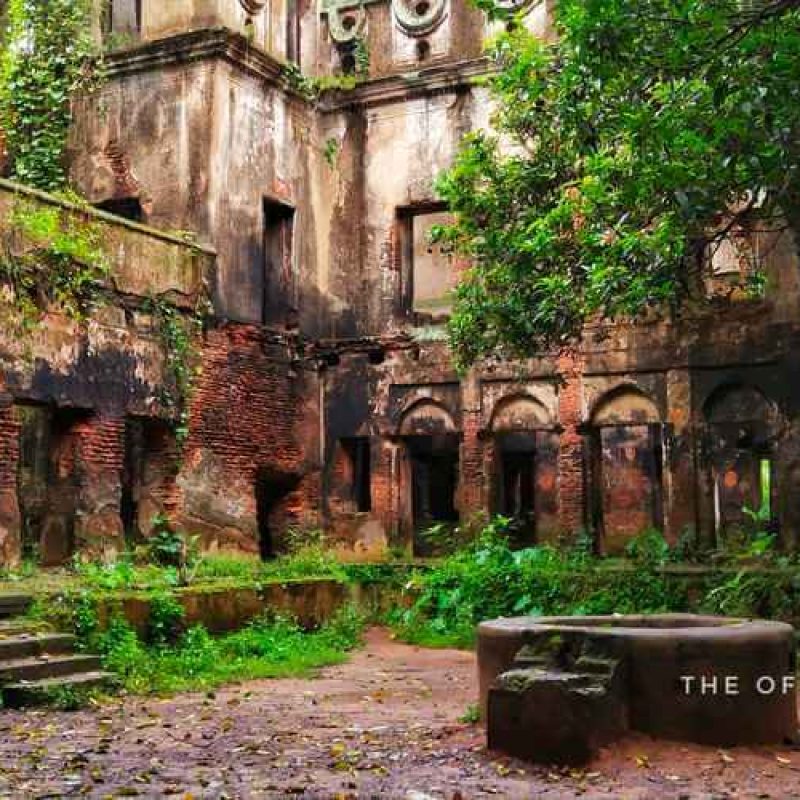
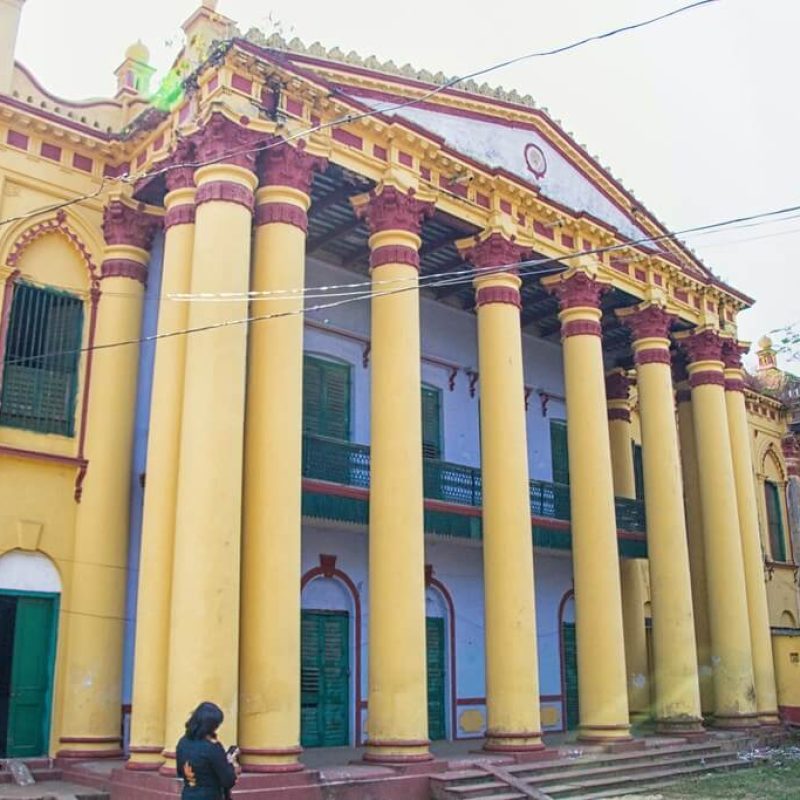
  • Raipur Rajbari
  • Ajoy River
  • Bakreswar Hot Spring
  • Surul Rajbari
  • Hetampur Rajbari
  • Mama-Bhagne Pahar
  • Tarapith
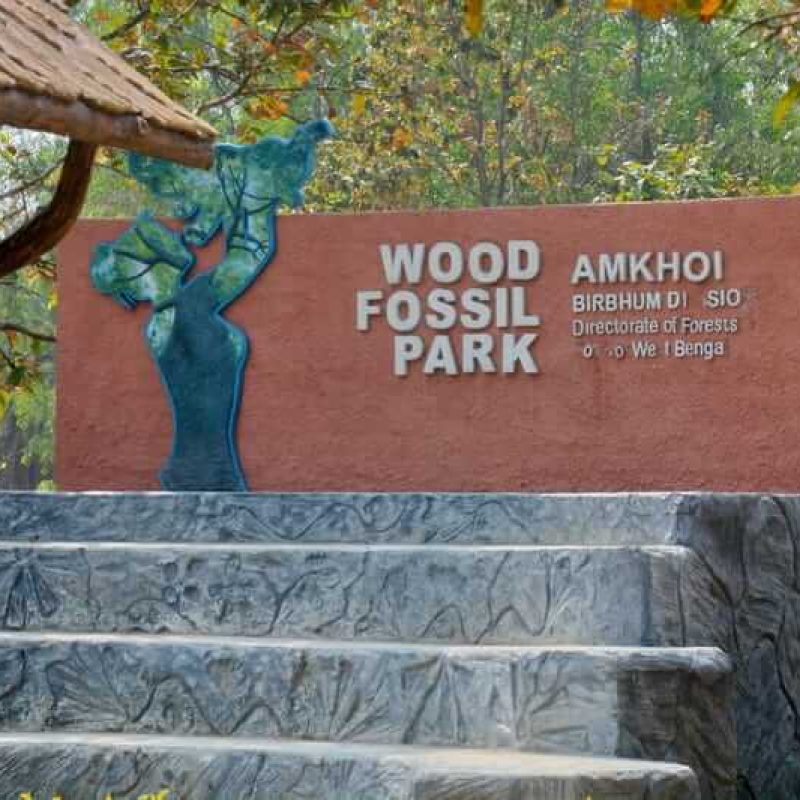
  • Fosil Park
  • Fullara Kali Mandir Labpur
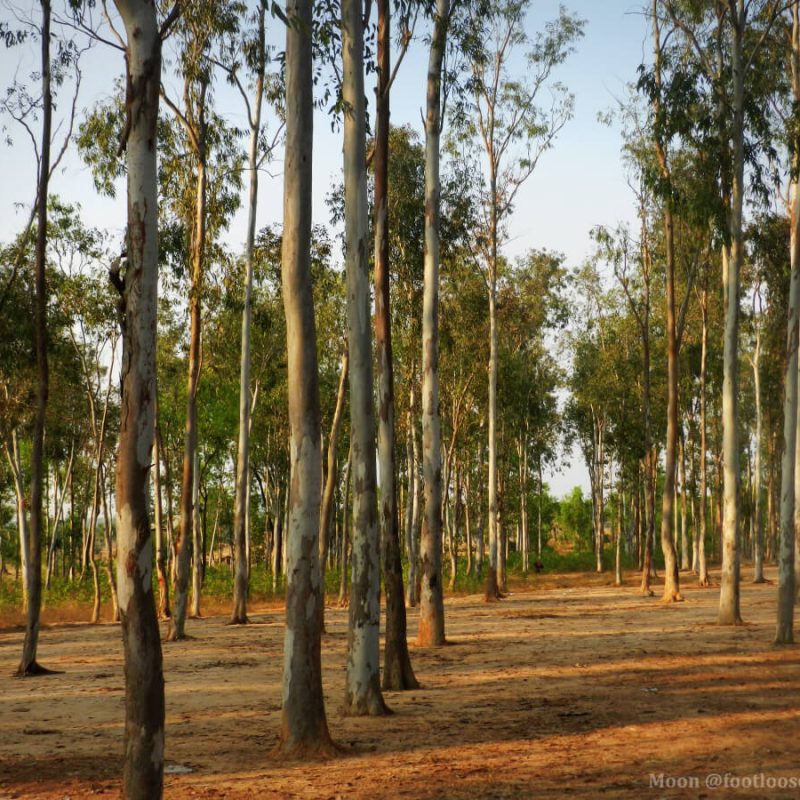
  • Sobuj Bon
  • Joydev Shiddhason Temple